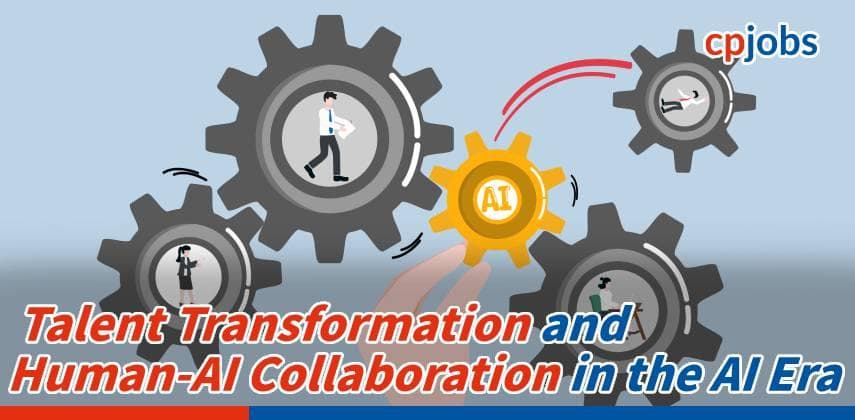
For C-level executives, the true impact of Artificial Intelligence (AI) extends far beyond technological implementation; it fundamentally reshapes the workforce and demands a profound transformation of talent. The focus shifts from merely adopting AI tools to strategically cultivating a culture where humans and AI collaborate seamlessly, augmenting each other’s strengths to drive unprecedented productivity and innovation.
Reskilling and Upskilling for an AI-Driven Future
The advent of AI means that job roles are evolving, and new skill sets are becoming essential. Traditional tasks may be automated, but human capabilities in critical thinking, creativity, emotional intelligence, and complex problem-solving become even more valuable. C-level leaders must champion comprehensive upskilling and reskilling initiatives:
• Identifying Skill Gaps: Organizations need to conduct thorough assessments to understand their current workforce’s capabilities versus the skills required for an AI-integrated environment. This includes both technical AI literacy (e.g., understanding AI outputs, prompt engineering) and enhanced human-centric skills.
• Targeted Training Programs: Develop and implement accessible training programs that cater to diverse learning styles and career paths. This can range from foundational AI concepts for all employees to specialized training for those working directly with AI models or developing AI solutions.
• Continuous Learning Mindset: Foster an organizational culture where continuous learning is not just encouraged but is an ingrained part of professional development. Provide platforms and resources that make learning accessible, personalized, and relevant to evolving job functions.
By proactively investing in their people, companies can transform potential job displacement into a powerful opportunity for workforce evolution and talent retention.
Cultivating a Culture of Human-AI Collaboration
The success of AI integration hinges on how well humans and AI work together. This requires a deliberate cultural shift where AI is seen as an enabler and a partner, not a threat or a replacement.
• Promoting AI as Augmentation: Leaders must consistently communicate that AI’s purpose is to augment human capabilities, automate mundane tasks, and provide insights that empower employees to focus on higher-value, more strategic work.
• Encouraging Experimentation: Create safe environments for employees to experiment with AI tools, learn from failures, and discover innovative ways to apply AI in their daily workflows. Pilot programs and internal champions can help evangelize successful human-AI partnerships.
• Cross-Functional Teams: Encourage collaboration between technical AI teams and business units. This ensures that AI solutions are developed with practical business needs in mind and that employees across the organization understand AI’s relevance to their roles.
• Transparency and Trust: Establish clear guidelines for AI usage, data privacy, and ethical considerations. Transparent communication about AI’s capabilities and limitations builds trust and alleviates fears, fostering a more accepting and proactive workforce.
Augmenting Human Capabilities: The Symbiotic Advantage
The most impactful AI implementations are those that create a symbiotic relationship between human and artificial intelligence. This means leveraging AI to extend and enhance what humans can achieve:
• Enhanced Creativity: AI can assist in brainstorming, generating diverse ideas, and performing rapid prototyping, allowing human creatives to explore more possibilities and refine their vision.
• Superior Analytical Prowess: By offloading data processing and pattern recognition to AI, human analysts can focus on interpreting complex results, deriving nuanced insights, and applying strategic judgment.
• Improved Decision-Making: AI provides real-time data and predictive models, giving human decision-makers a richer, more informed basis for their choices, reducing risks and increasing the likelihood of successful outcomes.
• Greater Efficiency and Focus: Automating repetitive tasks frees up significant human time, enabling employees to concentrate on tasks that require uniquely human skills like empathy, negotiation, and strategic relationship building.
In essence, AI elevates the human workforce, enabling them to operate at a higher cognitive level and contribute more strategically.
Conclusion
For C-level executives, leading the talent transformation journey is paramount in the AI era. It requires a clear vision for how AI will augment human potential, a commitment to continuous learning and development, and a proactive approach to fostering a collaborative culture. Organizations that successfully navigate this transformation will not only build a more resilient and adaptable workforce but will also secure a significant competitive advantage in the AI-powered future. The synergy between human intelligence and AI is the ultimate differentiator, unlocking a new frontier of productivity, innovation, and strategic success.