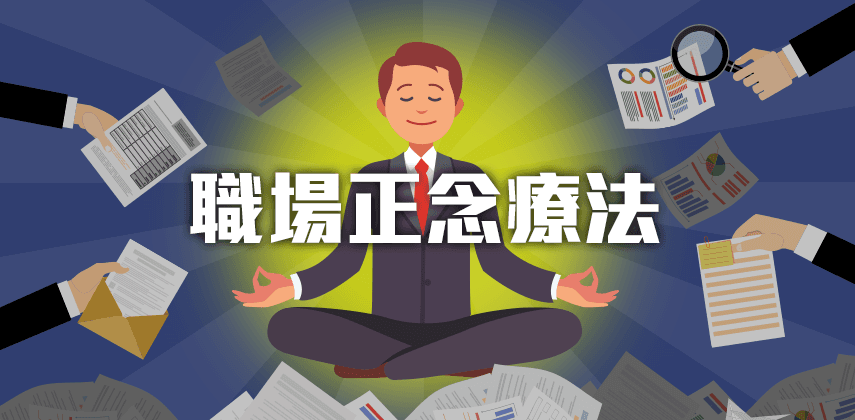
Mindfulness has become a new corporate buzzword and although many professionals may have heard of the term, mindfulness in the workplace, many are still unsure exactly what it is. Boiled down, mindfulness is an intentional, sustained awareness of what’s going on inside of you and outside of you within the present moment. Mindfulness is observing your thoughts or feelings from moment to moment, and working to notice and understand them without becoming caught up in them.
Sounds a little tricky! And also, why is this even a thing? Mindfulness is not a new concept so why are international businesses talking about it all of a sudden? Mindfulness likely originated in the Buddhist faith and has found its way into a variety of applications, including in the modern workplace. Regular meditation and mindfulness practices have been studied extensively and the benefits are vast, both physically and emotionally. Mindfulness has been proven to reduce stress, lower blood pressure and physical pain, improve attention and cognitive functioning, regulate emotions, and decrease reactivity to frustrations. Hoping to benefit from the positive results of mindfulness, many top companies around the world, including Apple, Google, and Deutsche Bank, have implemented mindfulness programmes for their employees.
The easiest and most effective way to begin practising mindfulness is to focus your attention on your breathing and see what happens as you attempt to keep it there. When your thoughts drift, notice and gently shift your attention back to your breath. This drift and shift pattern is exactly the brain muscle you want to work on. The practise of pulling your attention back increases your ability to skillfully control your thoughts and focus over time. With practise, you get skilled at directing your thoughts in helpful ways.
So how can this be done at work?
Square breathing. Try the “square breathing” exercise before you begin your workday, whether in the parking lot in your car, before you open the office door, or at your desk before you log in to email. Breathe deep into your belly for four counts, hold it for four counts, exhale for four counts and then hold for a final four counts. Repeat this four times to make a square. It takes just over one minute and can frame your day for calm. It’s helpful for beginners, because the counting makes it easier to avoid thought distractions and maintain focus.
Mindfulness check-ins. Try setting an alarm to have a “mindfulness check-in” a few times per day. When you get the alert, ask yourself: What am I thinking right now? What am I feeling right now? How am I holding my body right now? Most of the time, in the current moment, things are not that awful. We make things worse by focusing beyond the now. The regular practice of shifting back to now helps improve your perspective on reality and increases your ability to solve the actual problem and not the perceived one.
Manage your thoughts. When you notice that you have a thought that is future-oriented (and
therefore likely to include some anxiety about outcomes), practise redirecting yourself to the current moment. Some helpful questions to ask when your brain is spinning towards future worries are: “What about this situation is still okay?”“What are the actual facts that I know?” and “What is within my control right now?”
Pause before acting. Try to take stock before reacting at work. For example, when you finish reading an email, pause and notice your emotional reaction. Did your stress increase? Do you feel frustration or anger? Consciously breathe slowly in and out and make a decision about whether now is the best time to craft your response. Be mindful of the words and tone that will increase the likelihood of the outcome you desire. Note that you need to pause long enough to decide on your desired outcome instead of just firing back a response.
Eat mindfully. Most of us eat at some point in the work day. Use this as a time to avoid multi-tasking and instead focus on the taste of the food in your mouth, the process of using your tongue to move the food around in your mouth, and the number of chews it takes before you swallow. Practise pulling your attention back to the process of eating when your thoughts drift. Just try it for the first few bites. Regular practice of shifting your focus when it drifts will grow your ability to do it with ease, even in heightened and stressful situations.
The best mindfulness practice is the one you actually do, whether it is once a day or nineteen times per day. Whatever you can be consistent with is the winning method toward mindfulness and will wire your brain for calm, shifting the way you perceive events for greater success at work.