← Career advice
Advice Columnist

Biomedical Engineering – from Vision to Reality

Biomedical Engineering – from Vision to Reality

Biomedical Engineering is one of the fastest growing engineering disciplines today in the world. The Biomedical Division of The Hong Kong Institution of Engineers (HKIE-BMD) was established in 1989, with the biomedical discipline also formed in 2005. This young engineering discipline in Hong Kong is expected to bring bright prospects in medical innovations to the local society, addressing the needs due to increasing health consciousness, raising elderly population and lacking of medical professionals.

Biomedical engineers are the key contributors to close the gap between engineering and medicine by applying engineering know-how, medical and biological sciences knowledge to healthcare applications, including diagnosis, monitoring and therapy. Biomedical engineers are often the leaders in the engineering project team to manage the process that translates innovative ideas to viable medical technologies. They are the best partners of medical professionals to provide value-added supports to the growth of healthcare industry and to ultimately enhance the overall healthcare quality in the community.  

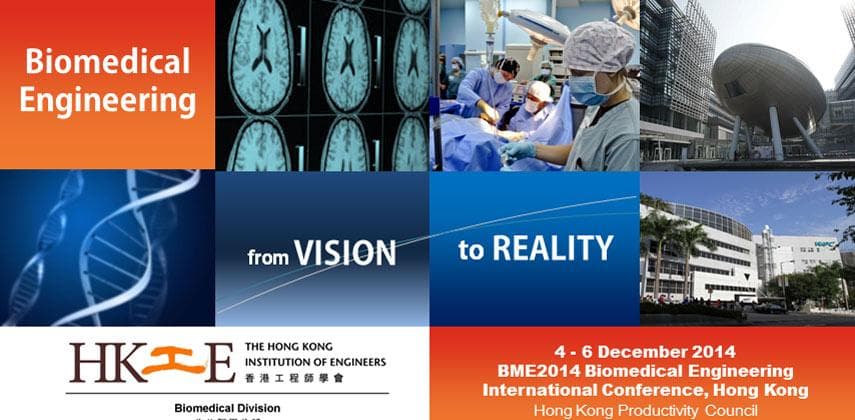
To support the growth of the biomedical engineering discipline and the sustainable development of the medical and healthcare industry, HKIE-BMD would like to give the public a better grasp of the engineering principles that support the medical technology innovation through the InnoCarnival 2014 at the Hong Kong Science Park during 1-9 November 2014 and the Biomedical Engineering International Conference 2014 at the Hong Kong Productivity Council (HKPC) during 4-6 December 2014.

HKIE-BMD Exhibition Booth at InnoCarnival 2014

The exhibition booth of HKIE-BMD at the InnoCarnival will include an interactive game named “Amazing Tools Developed by Biomedical Engineers”. This is a digital fun game aimed to educate players with innovative technologies developed by biomedical engineers and to raise public interests on different engineering principles. If you are interested in learning how computer science, chemical engineering, tissue engineering, materials science, electronic engineering and mechanical engineering could be applied in medical applications, please visit the booth and participate in this interactive game.

Biomedical Engineering International Conference 2014

On top of the InnoCarnival 2014, another flagship event would be the Biomedical Engineering International Conference 2014 (BME2014) jointly organized by HKIE-BMD and HKPC with the Conference theme “The Future of Biomedical Engineering – from Vision to Reality”. The BME conference series has been a biennial converging point of biomedical professionals of different regions, disciplines and research foci since 1992. Since the establishment of the Biomedical Discipline in HKIE, the status and recognition of biomedical engineers in Hong Kong are continuously increasing. Local biomedical engineers have been actively supporting the research and development (R&D), regulation affairs and safety compliance, making Hong Kong and BME2014 the most timely platform for information exchange. 

BME2014 composes of 3-day scientific presentations and medical software training workshops, serves as a platform for the biomedical engineers, researchers, regulators, industrialists and healthcare professionals to exchange the latest information and achievements. Presentation topics cover from laboratory research, clinical application to regulatory affairs, facilitating the idea exchange on the new advancement of R&D and a wide spectrum of medical device industrial related topics, allowing further promotion of the professional sectors in the biomedical engineering field. If you would like to participate in this meaningful conference, please feel free to visit the Conference website: http://www.hkpc.org/bme2014 and register now!

Biomedical Engineers , BME , HKIE , InnoCarnival

Keep reading

Related career advice

【職場心理學】上司話你唔夠狠,下屬話你唔撐佢哋——做中層,你係人肉避雷針
Advice Columnist

【職場心理學】上司話你唔夠狠,下屬話你唔撐佢哋——做中層,你係人肉避雷針

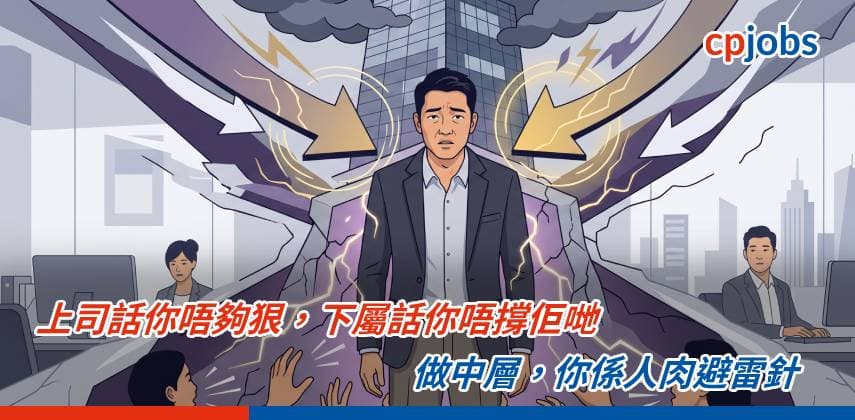
Head count凍結,上司call你入房話:「你自己諗辦法。」 下屬問你今年加幾多,你知道答案,但唔敢講。高層宣布新政策,問有冇問題,你笑住話「冇」,但你心裡清楚返去個部門一定炸鍋。績效review,你要寫低屬下嘅不足,但寫嗰陣你係唔舒服嘅,因為佢哋真係有盡力。開完會,上司叫你「帶領好個team嘅方向」,但連你自己都唔知方向係邊。 你夾喺中間,上唔到、落唔得。 高層嫌你執行力唔夠;下屬覺得你唔夠幫佢哋發聲;HR話你要做好榜樣;另一半問你點解又係咁夜返屋企。某一日,你喺東鐵線車廂裡,有個陌生人跟你對眼笑咗一下——你差啲想喊。 有時喺輔導工作中,我遇到嘅中層 manager,坐低嘅第一句往往係:「我唔知自己係咪做錯咗啲乜。」 你以為係你管理技巧唔好?唔係嘅。喺心理學入面,呢個叫「情緒勞動」(Emotional Labor)——即係持續壓抑或管理自己嘅真實情緒,去配合組織對你嘅形象要求(Hochschild, 1983)。做中層嘅人,每日都要演一場無劇本嘅戲:對上管理期望、對下管理情緒、對外管理形象——而你自己嘅感受,係冇位置擺嘅。 長期嘅情緒勞動,係職場 burnout 最常見、又最容易被忽視嘅根源之一。 就好似一架升降機嘅緩衝彈簧——佢嘅功能係吸收衝擊、保護兩邊。但如果長期超重、冇保養,彈簧遲早會斷。 緩衝係你份工嘅一部分,但唔代表你要用自己嘅身心做消耗品。 有一個有用嘅覺察練習:每個星期,寫低三件「唔係我份工、但我一直係咁做緊」嘅事。唔係叫你即刻唔做,而係讓自己知道——你嘅邊界喺邊,你係幾時開始一點一點失去自己嘅。 覺察,係改變嘅第一步。 做中層嘅你,好少被讚,好少有人問你「你點呀」。 今日,我想問你:你點呀? 唔使答得好好聽。只係停一停,不加批判地承認:「係,我最近好攰。」 呢份誠實,係你對自己最大嘅善意。你唔係一個齒輪,你係一個人。 參考資料Hochschild, A. R. (1983). The managed heart: Commercialization of human feeling. University of California Press.Kahn, R. L., et al. (1964). Organizational stress: Studies in role conflict and ambiguity. Wiley.

升職加薪後,為何很多人反而更焦慮?
Advice Columnist

升職加薪後,為何很多人反而更焦慮?

上月專欄談到,在裁員、縮編及經濟不確定性下,職場人士需要建立「財務韌性」,讓自己即使面對收入中斷,仍然保有生活與選擇的空間。 但有趣的是,最近接觸不少客戶時,我發現另一個現象:有些人明明升了職、加了薪,甚至晉升管理層,焦慮感卻沒有減少,反而愈來愈重。 按常理推算,收入增加應該帶來更多安全感,為何現實往往相反?問題很多時不在收入,而在生活模式。 收入增加了,壓力卻沒有減少 曾有一位四十多歲的管理層客戶,十年間薪酬幾乎翻倍,由月入四萬元增至接近八萬元。表面看來事業發展理想,但當我們一起檢視財務狀況時,卻發現他的壓力比十年前更大。 原因很簡單。收入增加後,他換了更大的住宅,供款增加;子女升讀國際學校,教育開支上升;家庭旅遊、保險及生活消費亦同步提高。結果雖然收入增加了一倍,但每月可自由運用的現金流卻沒有明顯改善。 更重要的是,他開始不敢轉工。因為一旦收入出現空檔,整個家庭開支結構都可能受到影響。這種情況在中產及管理層人士之間其實相當普遍。 高收入,不等於高安全感 近年有一個財務規劃概念稱為「生活膨脹」(Lifestyle Inflation),意思是當收入增加時,支出亦同步上升,結果財務自由度未有真正改善。 從職涯管理角度來看,這亦是一種風險。不少人以為職場安全感來自更高薪酬或更高職位,但真正的安全感,很多時來自保留選擇權。 當你有能力拒絕不適合的工作、可以接受短暫轉型期、甚至有空間進修或探索新的職涯方向時,你才真正掌握主動權。相反,如果每月開支已完全依賴當前收入水平,即使職位再高,也可能陷入「不能停、不能轉、不能錯」的壓力循環。 那麼,升職加薪後應如何避免陷入這種情況?我認為有三個值得思考的方向。 第一,讓收入增長快於生活成本增長。 每次加薪後,未必要即時提升所有生活開支。把部分新增收入轉化為儲蓄、投資或退休規劃資產,長遠往往比單純增加消費更有價值。 第二,建立與收入無關的資產。 無論是投資組合、強積金、自願性供款,甚至其他長期資產,本質上都是將今天的工作收入轉化成未來的選擇權。 第三,定期檢視自己的「財務自由度」。 問自己一個簡單問題:如果今天失去工作,現有資源足夠支撐多久?答案未必需要非常充裕,但至少應讓自己擁有重新規劃下一步的時間。 職場發展當然重要,但我認為衡量成功不應只看職位高低或薪酬數字。真正值得追求的,或許不是賺得更多,而是在收入增加的同時,仍然保留選擇人生的能力。因為高薪不一定等於自由,而能夠掌握選擇權的人,往往才擁有真正的安全感。

【IT事務所】駕馭未知的浪潮:企業在持續進化的 AI 時代下的道德標準與管治之道
Advice Columnist

【IT事務所】駕馭未知的浪潮:企業在持續進化的 AI 時代下的道德標準與管治之道

在數位經濟與人工智能技術高速發展的今天,企業正面臨一場前所未有的技術變革。隨著大型語言模型與自主智能體(Agentic AI)的持續進化,企業在享受自動化與生產力提升的同時,也無可避免地遭遇了複雜的道德與管治(Governance)難題。若缺乏完善的監管框架,AI 的失控不僅可能引發公關危機與合規風險,更可能損害企業的長期競爭力。因此,深入理解並建立具備韌性的 AI 管治機制,已成為現代企業不可迴避的戰略核心。 企業在引入 AI 時首當其衝的挑戰便是算法偏見與歧視。AI 模型的輸出品質高度依賴於其訓練數據,若歷史數據本身潛藏社會偏見,AI 系統便會不加思索地放大並延續這些不公。以人力資本管理為例,曾有跨國企業開發 AI 簡歷篩選系統以加速招聘流程,卻發現系統因過去十年的技術職位多由男性擔任,進而「學會」對包含女性特徵詞彙的簡歷給予較低評分。這種情況若發生在銀行或保險業的信貸審批上,將對特定族群造成系統性歧視,進而引發嚴重的合規風險與潛在的金融爭議。 另一個不容忽視的難題是深度學習模型的「黑箱」特質與透明度不足。即使是系統開發者,往往也難以確切解釋 AI 是如何推導出特定結論的。在醫療健康診斷、保險理賠評估或金融爭議處理等需要高度問責與精確性的領域中,這項缺陷尤為致命。若 AI 系統拒絕了客戶的理賠申請或作出了不利的決策,企業卻無法向大眾與監管機構提供清晰的邏輯解釋,這將嚴重摧毀消費者信任。因此,「可解釋性 AI」(Explainable AI)的發展與應用,對於推動技術落地至關重要。此外,在日常營運中,員工若在未經授權的情況下使用面向公眾的生成式 AI 工具,極易在不知不覺中輸入企業機密或客戶的敏感數據,這凸顯了防範數據隱私與商業機密外洩的迫切性。 面對上述挑戰,企業必須摒棄僵化的政策,轉而建立一套動態且跨部門的 AI 管治框架。AI 的應用早已超越單一資訊科技部門的範疇,企業應籌組涵蓋技術、法務、合規、人力資源及業務代表的專責委員會,共同制定符合企業核心價值觀的 AI 使用政策。同時,企業必須實施分級風險評估機制,針對不同應用場景採取差異化管理。例如,用於撰寫一般行銷文案的低風險系統可採常規監管;但涉及客戶信用評分、自動化醫療決策等高風險領域,則必須強制進行嚴格的「偏見審計」,並確保人類在決策流程中保留最終決定權。 在技術部署與企業文化層面,企業應積極引入私有化與企業級的 AI 解決方案,透過安全的隔離環境處理敏感數據,從根本上阻絕資料外洩的風險。然而,技術的防護仍需配合持續的內部審查與教育訓練。由於 AI 模型會隨著時間推移產生「數據漂移」(Data Drift)導致預測失準,企業必須定期對系統進行回溯測試。更重要的是,管治不僅是限制,更是賦能。企業應致力培養全體員工的數位素養,教導他們識別輸入敏感資訊的風險,並學會批判性地評估 AI 生成的結果,而非盲目信賴。 總結而言,在數位轉型的浪潮中,AI 的管治與道德標準絕非阻礙創新的絆腳石,而是企業實現永續發展(Sustainability)的堅實護城河。一間能夠負責任地運用 AI、嚴格保障數據隱私並確保算法公平性的企業,將能在未來競爭激烈的市場中贏得深厚的社會信任與品牌價值。唯有將「道德設計(Ethics by Design)」的理念深深植根於 AI 應用的每一個環節,企業方能在這場持續進化的技術革命中穩健前行。

Biomedical Engineering – from Vision to Reality | CPJobs Career Advice