Amid escalating global concerns about climate change, the search for a sustainable energy alternative to replace high-carbon-emitting conventional sources has reached a critical juncture. In this pursuit, hydrogen energy emerges as a clean and highly efficient solution, playing a pivotal role in achieving carbon neutrality.
Hydrogen energy generates zero carbon dioxide emissions during its use. Its production process can also be environmentally friendly by utilising renewable sources such as solar and wind power for water electrolysis, which generates zero carbon emissions. This green approach can further aid in reducing dependence on finite natural resources. Moreover, hydrogen possesses unique energy storage capability which provides a valuable solution to the instability of renewable energy sources.
Price
The price of hydrogen energy is influenced by multiple factors, including production methods, storage, transportation costs, and market dynamics. Currently, the cost of producing green hydrogen is relatively high, primarily due to the upfront investment required for renewable energy infrastructure and the energy-intensive nature of water electrolysis. However, as renewable energy technologies advance and economies of scale are achieved, the cost is expected to gradually decrease.
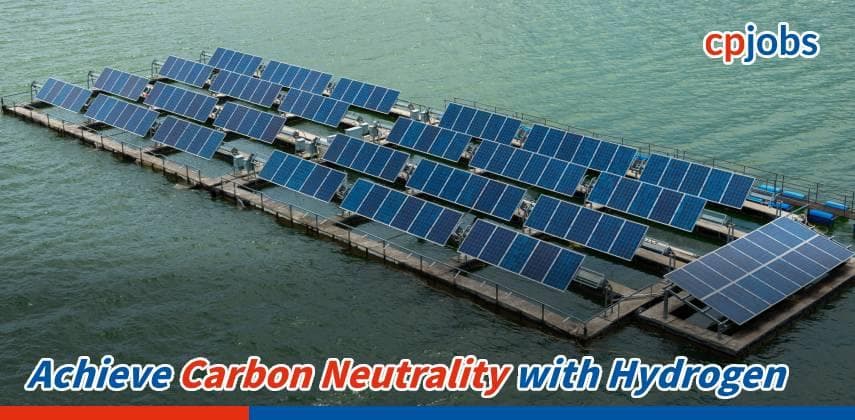
One potential project for advancing green hydrogen involves the installation of large-scale floating solar panels on reservoirs. These solar panels generate electricity, which can be directly utilised for water electrolysis, facilitating the production of green hydrogen.
Gray hydrogen is generated through water electrolysis using fossil fuels or physical and chemical processes, without incorporating carbon capture. As a result, the production cost of gray hydrogen can be lower. In the early stages of hydrogen energy development, gray hydrogen plays a crucial role in commercialising the energy source, expanding its applications, and acquiring knowledge to improve hydrogen production technology and utilisation. This experience and expertise are essential for driving the overall advancement of green hydrogen energy in the future.
As the market for hydrogen energy continues to evolve, the price of hydrogen may vary across regions and timeframes. With the maturation of technology and scaling up of hydrogen technology, prices are expected to become increasingly competitive, thereby encouraging the transition to clean energy in the market. Additionally, government support, especially financial aids during the initial stage of hydrogen energy development, can play a significant role in reducing the cost of green hydrogen. It facilitates trials of hydrogen production and utilisation technologies and businesses. The tax relief policy for electric vehicles serves as one example of such supportive measures.
Safety
The Institution recognises the valid concern of the public regarding the safety of new energy sources, including hydrogen. Indeed, the industrial application of hydrogen in various aspects has become common worldwide, such as in the cooling of generators. To ensure the safety of hydrogen production, transportation and utilisation, researchers and engineers are dedicated to exploring safer storage and usage technologies. Additionally, stringent safety standards and specifications are being established to regulate the design and operation of hydrogen energy systems. Furthermore, training and education play pivotal roles in increasing awareness and knowledge of operators and the general public, thereby ensuring the safe utilisation of hydrogen energy. It’s worth noting that hydrogen vehicles are already in operation across different regions globally. For example, hydrogen double-decker buses are operating in London, and hydrogen buses were employed to transport athletes during the Beijing Winter Olympics.
Conclusion
In summary, hydrogen energy emerges as a clean, efficient, and versatile energy source that offers significant potential for achieving carbon neutrality. By harnessing renewable energy for hydrogen production and the application of hydrogen fuel battery and energy storage technologies, substantial progress in the global energy transition can be achieved. Leveraging its expertise in the field, the Gas and Energy Division of the Hong Kong Institution of Engineers is dedicated to providing professional and impartial guidance to both the HKSAR Government and the general public.
Written by the Gas & Energy Division of the HKIE

Large-scale floating solar panels have been installed on the reservoir to generate electricity.
Image source: Hong Kong Water Supplies Department website